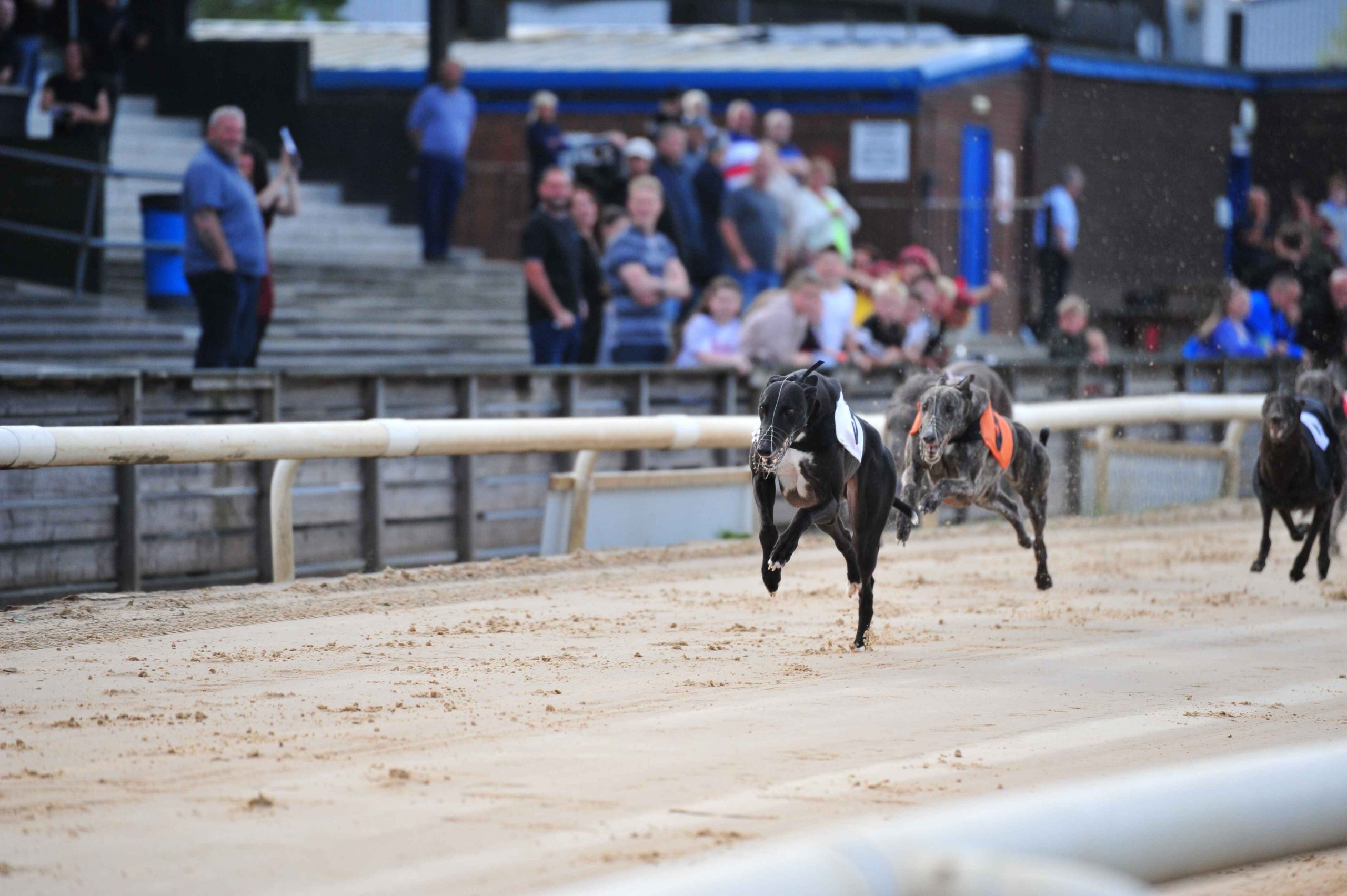
The recent suspension of greyhound racing in the UK has sparked a significant amount of discussion among dog enthusiasts and racing fans alike. The decision to halt races, even if temporary, raises questions about the future of this beloved sport. Many are turning to online resources to stay informed, such as UK Greyhound Racing Not on GamStop www.whippetgrey.co.uk, which offers insights into various canine-related topics. This article delves into the implications of this halt, its historical context, the reasons behind the suspension, and what it means for the future of greyhound racing in the UK.
Historical Context of Greyhound Racing in the UK
Greyhound racing has been an integral part of British sporting culture since the early 20th century. The first licensed tracks appeared in the 1920s, and the sport quickly gained popularity, leading to the establishment of the Greyhound Racing Association in 1926. It became a staple of both rural and urban entertainment, appealing to a broad audience and providing a profitable avenue for bookmaking.
For decades, greyhound racing was celebrated not only for its speed and excitement but also as an event that brought communities together. However, with this popularity came scrutiny over animal welfare and racing practices, which have evolved over time. The suspension might not be as sudden as it appears; it reflects a growing awareness of the ethical considerations surrounding the treatment of racing dogs.
Reasons Behind the Suspension
While the specific reasons for the current suspension of greyhound racing vary, multiple factors contribute to this significant decision. Firstly, there are increasing concerns regarding animal welfare standards. Reports of injuries among dogs and the fate of retired racing greyhounds have become hot-button issues. Animal rights activists have campaigned relentlessly for changes in the industry, calling for improved living conditions and better post-racing care for these animals.
Secondly, the impact of the COVID-19 pandemic has drastically altered the landscape for many sports, including greyhound racing. With race tracks closing temporarily and spectators barred from attending, the financial viability of the sport has been challenged. This disruption has led to a natural reevaluation of greyhound racing’s future and sustainability.
The Economic Impact
The economic ramifications of greyhound racing are multifaceted. The sport supports thousands of jobs, from trainers to breeders, and contributes significantly to local economies, especially in regions where racing is a prominent activity. Many businesses relied heavily on the influx of spectators and the associated spending on food, beverages, and accommodations.
The suspension of racing has put many livelihoods at risk. Trainers and owners face uncertainty about their future income, while bookies have had to adapt to a landscape with fewer events. This economic concern extends beyond the immediate participants in the racing scene; it affects communities that rely on the sport as a revenue source.
Animal Welfare Considerations
The welfare of racing greyhounds is a pressing issue that has gained prominence in recent years. Advocates are calling for improved regulations and practices to ensure that dogs are treated humanely. The suspension of racing could provide an opportunity for a thorough assessment of the industry’s standards and the implementation of necessary reforms.
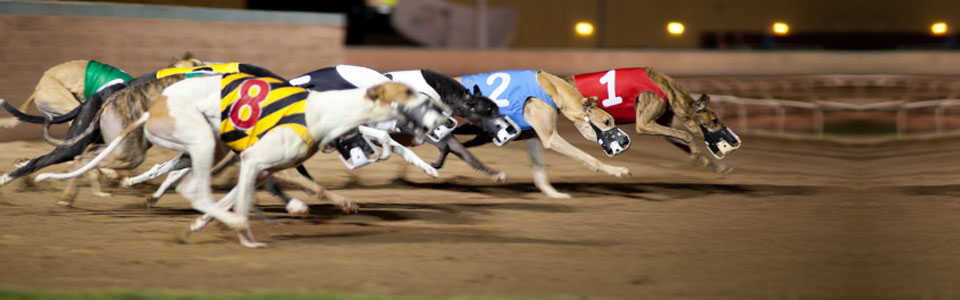
Organizations dedicated to the rescue and rehabilitation of retired racing greyhounds have also seen a surge in support. With races on hold, more emphasis is being placed on finding loving homes for these dogs once their racing days are over. This trend could lead to a more positive public perception of greyhounds as companions, rather than merely as athletes.
What’s Next for Greyhound Racing?
The future of greyhound racing in the UK remains uncertain, but there are several pathways forward. One potential direction is the reinvention of the sport itself. Stakeholders may aim to introduce more humane practices and transparent operations to regain public trust and support. Educating fans about the care and well-being of greyhounds could also play a vital role in reshaping the racing image.
Additionally, there’s room for innovation in the sport, such as enhanced racing experiences through technology and community involvement. Engaging with younger audiences via social media and personalized experiences could rejuvenate interest while ensuring that animal welfare remains a priority.
The Role of Technology and Regulations
Technological advances can also aid in improving the safety and welfare of racing greyhounds. Through better tracking, data collection, and monitoring of health standards, stakeholders can create a safer racing environment. New regulations may emerge as well, driven by public demand for more ethical treatment of the animals involved.
Ultimately, the future relies on dialogue among all stakeholders, including regulatory bodies, animal rights groups, owners, and fans. Building a consensus around the ethical treatment of greyhounds and the long-term sustainability of the sport is paramount.
Conclusion: A Chance for Change
While the suspension of greyhound racing in the UK presents challenges, it also offers a unique opportunity to reevaluate and reform the sport. The emphasis on animal welfare, economic sustainability, and community involvement could redefine what greyhound racing looks like going forward.
As the public’s awareness and expectations continue to evolve, different perspectives on greyhound racing will shape its future. Balancing entertainment with ethical considerations will be the key to preserving the sport while ensuring the well-being of the dogs at its heart. Only time will tell how the industry adapts to these changes, and fans of greyhound racing remain hopeful for a revitalized and responsible future.