Understanding Asset Freezes and Human Rights Sanctions
The implementation of Asset Freezes & Sanctions Human Rights Violations as a tool for promoting human rights has become increasingly relevant in today’s political climate. These measures are often employed by governments and international bodies to respond to violations of human rights and to hold violators accountable. By freezing assets and imposing sanctions, the international community aims to deter unlawful behavior and signal its condemnation of such actions.
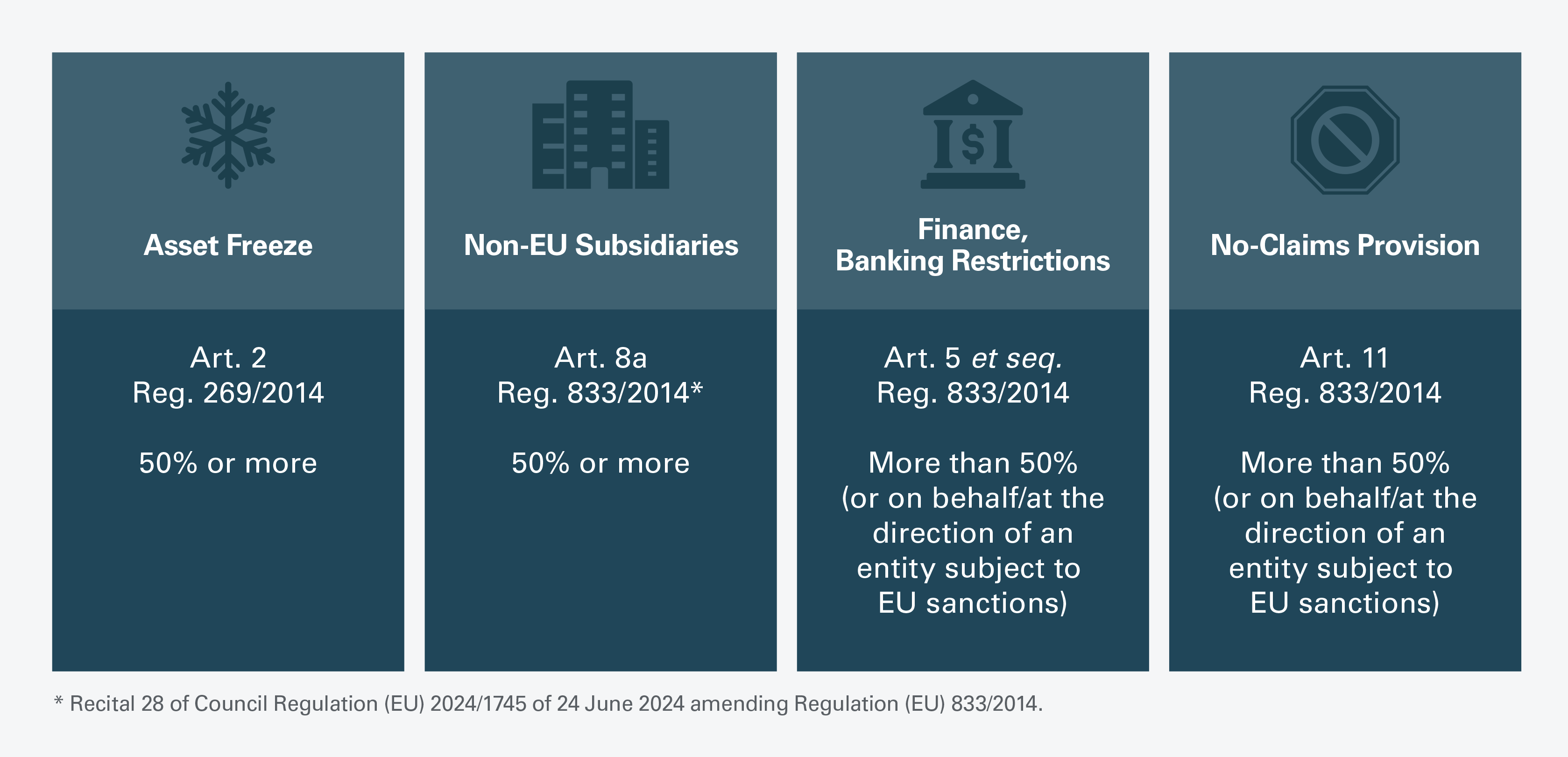
The Mechanism of Asset Freezes
Asset freezes are a form of economic sanctions that restrict individuals or entities from accessing their financial assets. This mechanism is often targeted at high-profile political figures, organizations, or countries that have been implicated in serious human rights abuses, corruption, or other violations of international law. By freezing their assets, governments aim to diminish their ability to operate and exert influence.
Historical Context
The use of asset freezes and sanctions is not a new phenomenon. Historically, these measures have been used in various geopolitical contexts. For example, sanctions were imposed on South Africa during the apartheid era, and more recently, similar measures have targeted regimes in Myanmar, Syria, and Venezuela. The underlying goal has generally been to compel compliance with international norms regarding human rights and governance.
Legal Framework
Asset freezes are often implemented within a specific legal framework established by national governments or international organizations. In the United States, the Office of Foreign Assets Control (OFAC) administers economic and trade sanctions based on U.S. foreign policy goals and national security interests. Similarly, the United Nations can place sanctions on countries or individuals through resolutions adopted by its Security Council. These legal frameworks provide the foundation for enforcing asset freezes and sanctions, ensuring that they are carried out in a manner consistent with both domestic and international law.
Challenges and Criticisms
Despite their intended purposes, asset freezes and sanctions are not without controversy. Critics argue that these measures can sometimes disproportionately affect innocent civilians. For instance, while the goal may be to target specific individuals, the ripple effect can lead to broader economic turmoil that impacts the general population, exacerbating poverty and human suffering. Additionally, questions arise regarding the effectiveness of sanctions in actually changing the behavior of targeted individuals or regimes.
The Impact on Human Rights
In theory, asset freezes and sanctions serve as a deterrent to human rights violations. The loss of financial resources can stifle a regime’s ability to perpetrate further abuses. However, the reality is often more complex. In some cases, targeted individuals and regimes find ways to circumvent sanctions, leading to debates over whether such measures cause more harm than good. Furthermore, the effectiveness of sanctions in promoting human rights improvements is often measured against various metrics, including political reform, social stability, and the overall well-being of citizens.
Case Studies
Examining case studies can provide a clearer picture of the effectiveness of asset freezes and sanctions. In South Africa, international sanctions were instrumental in pressuring the apartheid regime towards reform. Conversely, the situation in North Korea illustrates the challenges posed by sanctions; while they aim to curtail nuclear proliferation and human rights abuses, the regime has shown resilience in the face of international pressure.
Alternative Approaches
Given the criticisms surrounding asset freezes and sanctions, there is ongoing discussion about potential alternative approaches to promoting human rights. Diplomatic engagement, development aid, and support for civil society organizations are proposed as more constructive ways to foster positive change without inflicting economic harm on vulnerable populations. This multifaceted strategy may complement asset freezes and sanctions, providing a more holistic approach to human rights advocacy.
Conclusion
Ultimately, the landscape of asset freezes and sanctions as tools for promoting human rights is complex. While they can play a role in holding violators accountable, their implementation requires careful consideration of the potential consequences on civilian populations and overall stability. As international dynamics continue to evolve, so too must our understanding of the effectiveness and ethics of asset freezes and sanctions in the pursuit of justice and human rights.