
Understanding Interpol Red Notice Removal: A Comprehensive Guide
The issue of an Interpol red notice removal can be a daunting experience for individuals wrongly implicated in criminal activities. Red notices, which request the location and arrest of a person pending extradition, are often confused with international arrest warrants; however, they do not hold the same legal weight. This distinction is crucial when addressing the nuances of removing a red notice from the Interpol database. This article will delve into the complexities of red notices, their implications for individuals, and the processes involved in seeking their removal.
What is an Interpol Red Notice?
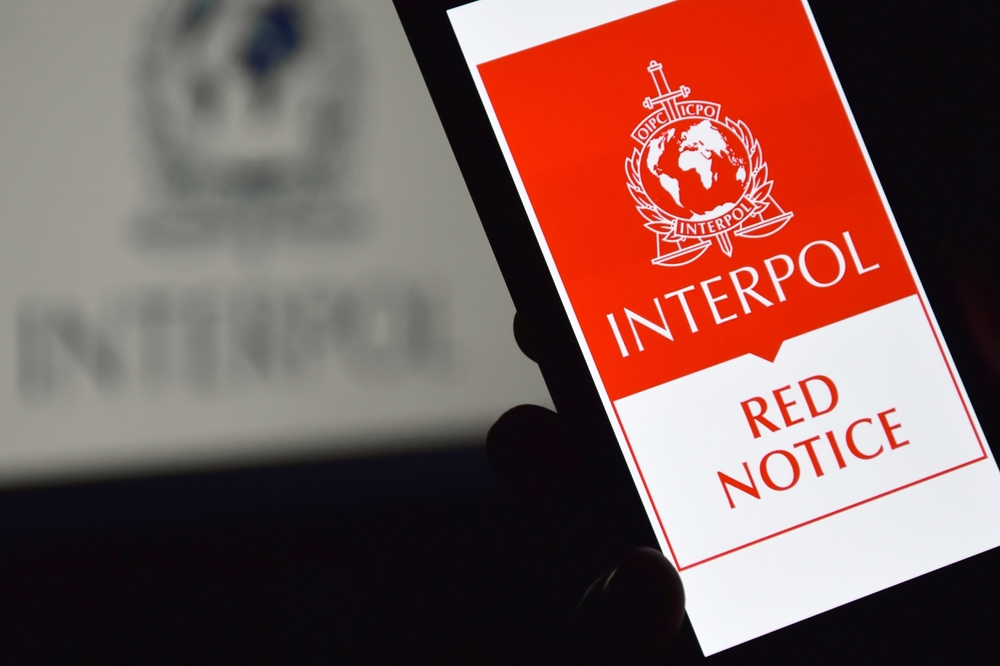
An Interpol red notice is a request to law enforcement worldwide to locate and provisionally arrest a person pending extradition, surrender, or similar legal action in relation to a judicial proceeding. It can be issued at the request of a member country based on national legal statutes, often upon an individual’s arrest warrant. It is essential to clarify that a red notice is a request for assistance and does not constitute an international arrest warrant, as Interpol does not have the authority to compel countries to detain individuals.
Reasons for Issuing a Red Notice
Red notices are typically issued for various reasons, including serious criminal offenses such as drug trafficking, human trafficking, financial crimes, or terrorism. However, they can also be misused for political purposes, targeting individuals in politically sensitive situations, thus raising concerns about their legitimacy. The potential for misuse highlights the importance of having a clear process for challenging a notice that may be unfounded or erroneous.
The Consequences of a Red Notice
The issuance of a red notice can lead to significant consequences for the individual, ranging from loss of freedom due to apprehension by law enforcement to long-lasting reputational damage, impacting employment and personal relationships. While the notice allows uninterrupted cooperation between member countries, it can also lead to wrongful arrests and the trauma of prolonged detention in foreign jurisdictions. Understanding these consequences is a vital first step in addressing the need for removal.
The Process of Red Notice Removal
Removing a red notice is a multifaceted process that requires a clear understanding of legal grounds and procedural avenues within the Interpol framework. Here are the critical steps involved in this process:
- Review the Notice: The first step is to review the specific red notice to understand its contents and basis. Details such as the charges and the country initiating the notice should be scrutinized.
- Legal Representation: Engaging qualified legal experts familiar with Interpol’s regulations is crucial. They can navigate the complex legal landscape, which often requires specialized knowledge in international law and human rights.
- Filing a Request for Removal: If there are grounds for removal, an individual can file a request to Interpol’s Commission for the Control of Files (CCF). This request must include robust evidence and arguments justifying why the notice should be lifted.
- Await Response: Once the request is submitted, a review process begins, which may involve communication between various legal entities to assess the validity of the concerns raised.
- Follow-Up: Depending on the CCF’s decision, it may take additional steps to ensure the decision is upheld across member countries, allowing the individual to regain their freedom.
Common Grounds for Removal
Several common grounds can be cited to contest the validity of a red notice, including:
- Violation of Human Rights: If the application of the red notice violates a person’s rights, such as instances of political persecution or lack of a fair trial.
- Political Motivation: If the notice is based on politically motivated charges, it may serve as grounds for removal.
- Lack of Evidence: If there are insufficient legal grounds for the charges underlying the notice, it can be challenged effectively.
- Innocent Person: If the individual has been mistakenly identified or if the reference pertains to a different individual entirely.
Legal Avenues Beyond Interpol
In addition to pleading a case for removal with Interpol, individuals may also explore other legal avenues that can aid in their circumstance:

- Engaging With National Governments: Contacting embassies or government officials to highlight and resolve issues of wrongful accusations.
- Judicial Redress: Pursuing hearings or legal actions in national courts where the red notice has caused consequences, thus seeking redress through legal channels.
- Media Awareness: Bringing attention to the situation through responsible media outlets can create public awareness, possibly influencing the political or legal landscape.
Expert Guidance: Navigating the Interpol Landscape
Given the complexities involved in attempting to secure an Interpol red notice removal, expert guidance can prove invaluable. Specialized legal practitioners understand the nuances of international law, and their expertise can significantly enhance the chances of a successful outcome. Furthermore, engaging with organizations that focus on protecting individuals from wrongful notices can potentially open doors to additional resources and support systems.
Conclusion
The journey towards the removal of an Interpol red notice is fraught with challenges, yet understanding the intricacies of the process can empower affected individuals. Whether through legal representation, petitions for removal, or other avenues, persistence in seeking justice is paramount. While red notices are an essential tool for law enforcement across borders, the mechanisms for challenging unjust notices must be robust to prevent misuse. Navigating this maze requires diligence, knowledge, and the right support. Therefore, individuals faced with such situations must seek appropriate channels to assert their rights and reclaim their standing.